Wednesday, February 29, 2012

विश्वास हरविलेल्या दलित नेत्यानी आतातरी राजकारनातून बाहेर पडावे


विश्वास हरविलेल्या दलित नेत्यानी आतातरी राजकारनातून बाहेर पडावे
मुंबई महापालिकेच्या निवडणुकीत आंबेडकरी जनतेने ठरविले असते तर २२७ वॉर्डापकी ४७ वार्डामध्ये कुठल्याही पक्षाचा आधार घेता फक्त आणि फक्त आंबेडकरी मतांवर तर  १५० वॉर्डामध्ये कोणत्या पक्षाच्या उमेदवाराला निवडून द्यायचे याचा निर्णय घेऊ शकत होती तर उर्वरित महाराष्ट्रात नागपुरसह अशीच परिस्थिति होती. निदान निवडणुकांपूर्वी जरी या नेत्यानी आपसांत समझोता केला असता तरी कुणाच्याही आधाराविना पालिकेच्या सभागृहात ते विरोधी पक्षाच्या भूमिकेत बसू शकले असते. मात्र  गटातटात विभागलेल्या रिपब्लिकन पक्षाच्या नेत्यानी एकत्रित न येता आंबेडकरी जनतेला गृहीत धरून शिवसेना व कांग्रेससी निवडणूक समझौते करीत महायुत्या केल्या.
निवडणुकी नंतर जे निकाल आले ते पाहता मुंबई महानगरपालिकेत शिवशक्ती-भीमशक्तीच्या नव्या राजकीय प्रयोगाला आंबेडकरी मतदारांनी नाकारले असल्याचे स्पष्ट दिसत असले तरी दलित मतदारानी कांग्रेस राष्ट्रवादी पक्षालाही जवळ केले नाहीं हे निवडणूक निकालावरुन स्पष्ट झाले आहे. असे असले तरी आंबेडकरी मतदारांनी गटातटात मिरविना-या आरपीआय नेत्यांचा पुरता अपेक्षाभंग करून योग्य ती जागा त्याना दाखवून दिली आहे. आपल्याला खासदारकी वा आमदारकी मिळाली की समाजाला सत्ता मिळाली, अन्याय अत्याचार नष्ट होऊन समाजाचा विकास होतो असे रामदास आठवले यांचे व्यक्तिकेंद्रित मत असते व त्यानुसारच आठवलेचे राजकारण सुरू असते. आठवलेच्या या राजकरनाला आंबेडकरी जनतेने पूर्णता नकारत त्यांचे मुंबई महापालिकेत एकही उमेदवार निवडून दिला नाही (निवडून आलेला एक नगरसेवक हा आंबेडकवादी नसून त्याचे समाजकारनासी काहीही देंने घेणे नाही). तिकडे प्रकाश आंबेडकर यांनीही आपले स्वतंत्र अस्तित्वाचे राजकारण सोडून नव्याने काँग्रेसचा हात धरून आपले राजकीय अस्तित्व निर्माण करण्याचा प्रयत्न केला. प्रकाश आंबेडकर यांच्या या प्रयोगालाही आंबेडकरी जनतेने धीड़कारत अकोला या त्यांच्या प्रभाव क्षेत्रासोबतच इतर ठिकाणीही ठेंगा दखविला आहे. आरपीआयचे बाकीचे गटही हे निषप्रभावी आहेत हे सुध्दा या निकालाने दाखवून दिले आहेत. रामदास आठवले व प्रकाश आंबेडकर यांच्या नव्या राजकीय भूमिकांकडे (युति/महायुती) दलित समाज तटस्थपणे पाहात होता. तर दुसरीकड़े या नेत्यांच्या संधिसाधु व स्वाभिमानशून्य वृत्तीमूळे तो मनातून खदखदत व रागावून होता. दलित समाजाने जशी शिवसेनेबरोबरची आठवले यांची युती सपशेल धुडकावून लावली तसीच त्याने प्रकाश आंबेडकरनी कांग्रेससोबत केलेल्या घरोब्यालाही धुड़कावुन लावले आहे. महाराष्ट्रात रिपब्लिकन राजकारणाचे या निवडणुकीत पुरते तीनतेरा वाजले त्यामुळे  आंबेडकरी चळवळीचे यापुढील राजकीय भवितव्य काय, असा प्रश्न निर्माण झाला समाजासमोर निर्माण झाला आहे?. 
      महाराष्ट्रात गटातटाच्या व सत्तेच्या तुकडय़ाच्या समीकरनामुळे रिपब्लिकन नेत्यांच्या राजकारणाला कंटाळलेल्या दलित समाजास मायावती यांचा बहुजन समाज पक्ष हा एक पर्याय होऊ शकनार होता. परंतु बहुजन समाज पक्षाने महाराष्ट्रावर लादलेले राज्यनेतृत्व  एवढे कमकूवत आहे की मागच्या दीड दशकापासून या नेतृत्वाला अजूनपर्यंत आंबेडकरी चळवळीची व समाजाची नसच सापडलेली दिसत नाही. राज्यातील वेगवेगल्या विभागातील मासबेस नेत्याना पक्षातून काढून बहुजन समाज पक्ष कमकूवत करण्याचे एकमेव महान कार्य मात्र या तथाकथित राज्यनेतृत्वा कडून होताना दिसते. गेल्या वीस वर्षापासुन ते राहत असलेल्या मुंबई महानगरपालिकेत एकही नगरसेवक निवडून आणू शकत नाही त्यावरून या नेतृत्वाची कार्यक्षमता  लक्षात यावी. सामाजिक प्रश्नावर मोर्चे, आंदोलने करायचीच नाही हा ह्या नेत्याचा हेका कायम दिसतो. त्यांच्या अशा नेतृत्व दोषामुळे गेल्या वीस वर्षांत म्हणावा तसा जनाधार बसपाला मिळू शकला नाही.नुकत्याच झालेल्या महानगरपालिकेतील निवडणुकीत बसपाचे 25 ( नागपूर-12, अमरावती-6, सोलापुर-3, ठाणे-2, उल्हासनगर-2) नगरसेवक निवडून आले हे राज्य नेतृत्वाचे यश नसून रिपब्लिकन पक्षाच्या गटाटाच्या  राजकारनाला कंटाळून एकहाती किल्ला लढविना-या  मायावतीच्या नेतृत्वावर आंबेडकरी जनतेने दाखविलेल्या विश्वासाचे फलित होय.   
      आज रिपब्लिकन राजकारण पुढे नेण्याची धमक कोणत्याच नेत्यांमध्ये नाही. महाराष्ट्रातील एका मोठय़ा व जागृत समाजाचे नेतृत्व करणारा रिपब्लिकन पक्ष आज लुळापांगळा झाला असून  आंबेडकरी राजकारण आज एका वेगळ्या वळणावर येऊन उभे ठेपले आहे. पक्षाची दिशा अनिश्चित आहे. आंबेडकरवादी राजकीय चळवळ ही विचारांची नसून दलालांची चळवळ झाली आहे. आता गरज आहे तिला या दलालांपासून वाचविण्याची. समाजाच्या या तकलादू नेत्यांनी स्वतचे स्वतंत्र अस्तित्व निर्माण करण्यापेक्षा दुस-याचे अस्तित्व जपण्यात व ते वाढविण्यात धन्यता मानत आले आहेत. डॉ.बाबासाहेबांचा राजकीय इतिहास विसरलेली ही नेतेमंडळी बाबासाहेबांची राजकीय चळवळ  मोडीत काढण्यास निघाले आहेत. हे नेते चळवळ चालविन्यास लायक नाहीत हे आता पुरते स्पष्ट झाले आहे. आंबेडकरी जनतेचा विश्वास गमविलेल्या या नेत्यानी चळवळीच्या यशस्वीतेसाठी राजकारनातून बाहेर पडले पाहिजेत.
      जे आपला इतिहास विसरतात ते आपला इतिहास निर्माण करू शकत नाहीत हे बाबासाहेबांचे वाक्यसुद्धा आंबेडकरी जनता, चळवळीतले नेते आणि कार्यकर्ते विसरलेले दिसतात. आबेडकरी राजकीय चळवळीला स्वतंत्रपने उभी न करता दुस-याच्या आधाराने जगवायला
लावना-या नेत्याना ही
जनता कोणत्याही प्रकारचा जाब व स्पष्टीकरण विचारताना दिसत नाही. रा. सू. गवई यांनी स्वतच्या सभापती  व राज्यपाल पदासाठी अख्खी चळवळ काँग्रेसच्या दावणीला बांधली आता त्यांचा वारसा रामदास आठवले चालवि आहेत.  गवई आठवले हे काँग्रेसबरोबर गेले ते चळवळीच्या व समाजहितासाठी नाही तर ते स्वत:च्या व्यक्तिहितासाठी गेले. चळवळीचा स्वाभिमान, विवेक आणि विचार यानी मारून टाकला आहे. आंबेडकरी चळवळीने जे त्याज्य मानले तेच काँग्रेसने त्यांना स्वीकारायला लावले व आता शिवसेनेच्या पाठीमागे लागून तेच चालू आहे.  आंबेडकरी चळवळी अधिकाकाधिक फुटत जावी वा ती कोनाची तरी पाईक/दासीनून रहावी असे माणनारा दबावगट महाराष्ट्रात कार्यरत आहे. या दबावगटापुढे झुकनारे कनाहीन नेते या स्वाभिमानी चळवळीचे नेते म्हणून मिरवाताहेत. त्यामुळे आज खरी गरज आहे  ती आंबेडकरवादी राजकीय चळवळीला वाचविण्याची. आज या चळवळीला  कोण वाचवेल?. जे नेते राजकीय एकोपा राखण्यात आडदान्डा  घालतात वा  जे नेते आपल्या संधिसाधु वृत्तिमुळे नेहमी कांग्रेस/राष्ट्रवादी/शिवसेना यांच्या सोबत युति करण्यासाठी नेहमी दबाव आणतात अशा नेत्याना आता चालते व्हा असे म्हणण्याची वेळ समाजावर आली आहे तर दूसरा पर्याय म्हणून आंबेडकरी जनतेने चळवळीतील एखाद्या नेत्यावर विश्वास व दबाव ठेउन आबेडकरी चळवळ पुढे रेटण्याचे काम करावे लागेल अथवा तीसरा पर्याय म्हणून बहुजन समाज पक्ष व रिपब्लिकन पक्ष यांची करण्यासाठी दबाव आणावा लागेल. पुढील काळात होना-या विधानसभा निवडणुकात आंबेडकरी चळवळीची होणारी मानहानी रोखायची असेल तर आंबेडकरी जनतेने त्याची रंगीत तालिम आतापासूनच करने आवश्यक आहे.
 

बापू राऊत
9224343464
e-mail:bapumraut@gmail.com

Saturday, February 18, 2012

महानगरपालिका निवडणुका 2012

महाराष्ट्र पक्ष निहाय निवडणुकांचे निकाल पाहण्यासाठी खाली  क्लिक करा 
महानगर पालिका निवडणूक निकाल 2012

बहुजन समाज पक्षाला एकूण 25 जागा मिलाल्या. त्यापैकी

ठाणे-2, उल्हासनगर-2, सोलापुर -3, अमरावती-6,  नागपूर-12


महाराष्ट्र जिल्हापरिषदेचे निकाल पाहण्यासाठी  खाली  क्लिक करा
जिल्हापरिषद निकाल 2012

( बहुजन समाज पक्षाला 4  जागा मिलाल्या ) त्यापैकी नागपूर -1, चंद्रपुर-1,अमरावती-2 


महाराष्ट्र पंचायत समितीचे निकाल   पाहण्यासाठी  खाली  क्लिक करा

( बहुजन समाज पक्षाला 12   जागा मिलाल्या ) त्यापैकी हिंगोली -1,  नागपूर -2 , अमरावती-4, यवतमाल -1, वर्धा- 2, चंद्रपुर-1, गडचिरोली- 1

Friday, February 3, 2012

सत्यनारायन पुजा म्हणजे भट ब्राम्हनांची रोजगार हामी योजना

स्वाभिमानशून्य रिपब्लिकन नेत्यांचे निवडणूक समझौते


½ãÖãÀãÓ›Èã¦ã Öãñ… Üãã¦ãÊãñʾãã ½ãÖã¶ãØãÀ¹ãããäÊã‡ãŠã, ¶ãØãÀ¹ãããäÊã‡ãŠã Ìã ãä•ãÊÖã¹ããäÀÓãªãâÞ¾ãã ãä¶ãÌã¡¶ãì‡ãŠã½ãìßñ À㕾ãã¦ããèÊã ãäÌããäÌã£ã ¹ãàã ‚ãã¹ãã¹ãʾãã ãä¶ãÌã¡¥ãî‡ãŠãâÞãñ ‚ããŒãã¡ñ ºããâ£ã¥¾ããÞ¾ãã ¦ã¾ããÀãèÊãã ÊããØãʾããÞãñ ãäÞã¨ã ¹ãÖãÌã¾ããÔã ãä½ãߦ㠂ãÔãì¶ã ãäÌããäÌã£ã ¹ãàããÞ¾ãã ãä¶ãÌã¡¶ãì‡ãŠ ‚ããÜãã¡¿ãã ºã¥ã¦ãã¶ãã ãäªÔã¦ã ‚ããÖñ. Àã•ã Ÿã‡ãŠÀñÞ¾ãã ½ã¶ãÔãñ ½ãîßñ  ãäÍãÌãÔãñ¶ãñÞãñ ½ã콺ãƒÃ  Ìã ½ãÖãÀãÓ›Èã¦ããèÊã ‚ããäÔ¦ã¦Ìããºããºã¦ãÞãñ ‚㌌ãñ ¼ããäÌãӾ㠪ãÌã¥ããèÊãã ÊããØãÊãñ ‚ããÖñ. ½ãìâºãƒÃ ½ãÖ¶ãØãÀ¹ããäÊã‡ãñŠÞ¾ãã ãä¶ãÌã¡¶ãìãä‡ãŠ¦ã ‡ãŠãä£ããäÖ ¾ãì¦ããè ¶ã ‡ãŠÀ¶ãã-¾ãã ‡ãŠãâØãÆñÔã Ìã ÀãÓ›ÈÌããªãè ‡ãŠãâØãÆñÔã ¶ãñ ¾ããÌãñßñÔã ‡ãŠãñ¥ã¦¾ããÖãè ¹ããäÀãäÔ©ããä¦ã ½ã£¾ãñ ½ãìâºãƒÃ ½ãÖã¶ãØãÀ¹ãããäÊã‡ãŠã Öã¦ãã¦ã ܾãã¾ãÞããèÞã ¾ãã Öñ¦ãì¶ãñ ¾ãì¦ããè ‡ãñŠÊããè ‚ããÖñ. ‡ãŠãâØãÆñÔã Ìã ÀãÓ›ÈÌããªãè ¾ããâÞããè ¾ãì¦ããè Ìã ½ã¶ãÔãñÞ¾ãã ¹Çã¼ããÌãã½ãìßñ ãäÍãÌãÔãñ¶ãñ¶ãñ ãäÀ¹ããäºÊã‡ãŠ¶ã ¹ãàããÞ¾ãã Àã½ãªãÔã ‚ããŸÌãÊãñ Øã›ãÔããñºã¦ã ¾ãì¦ããèÞããè ÜããñÓã¶ãã ‡ãŠÀãè¦ã ¦ã웹ãì╾ãã •ããØãã ‚ããŸÌãÊãñ ¾ãã¶ãã ªñ¥¾ãã¦ã ‚ããʾãã ‚ããÖñ¦ã. ‡ãñŠÊããè ‚ãÔãì¶ã ‡ãŠãâØãÆñÔã Ìã ÀãÓ›ÈãÌããªãè ¹ãàã ãäÀ¹ããäºÊã‡ãŠ¶ã ¹ãàããÞ¾ãã ƒ¦ãÀ Øã›ã¶ãã ‚ãã¹ãʾãã‡ãŠ¡ñ ŒãñÞ㥾ããÞãã ¹Çã¾ã¦¶ã ‡ãŠÀãè¦ã ‚ãÔãì¶ã •ããñØãò³ ‡ãŠÌãã¡ñ, ÔãìÊãñŒãã ‡ãì⊼ããÀñ Ìã ¹Çã‡ãŠãÍãã ‚ããâºãñ¡‡ãŠÀ Öñ ¦¾ããâÞ¾ãã ØãßãÊãã ÊããØãʾããÞãñ ãäÞã¨ã ãäªÔã¦ã ‚ããÖñ.

‚ãã•ã ¹Ç㦾ãñ‡ãŠ ¹ãàã ãäÀ¹ããäºÊã‡ãŠ¶ã ¹ãàããÞ¾ãã ãäÌããäÌã£ã Øã›ã¶ãã ãäÌããäÌã£ã ‚ãããä½ãÓãñ ªñ…¶ã ‚ãã¹ãʾãã‡ãŠ¡ñ ŒãñÞ㥾ããÞãã ¹Çã¾ã¦¶ã ‡ãŠÀãè¦ã ‚ããÖñ¦ã ¾ããÌãÁ¶ã ½ãÖãÀãÓ›Èã¦ã ‚ããâºãñ¡‡ãŠÀãè ½ã¦ããÊãã ãä‡ãЦããè ½ãÖ¦Ìã ‚ããÖñ Öñ ‡ãŠßî¶ã ¾ãñ¦ãñ. ½ãÖÀãÓ›Èã¦ã ªãäÊã¦ããâÞããè Êããñ‡ãŠÔã⌾ãã 16 ¦ãñ 18 ›‡ã‹‡ãñŠ †Ìã¤ãè ‚ãÔãì¶ã ¦ããè ãäÌããäÌã£ã ¼ããØãã¦ã ãäÌãŒãìÀÊããè ‚ããÖñ. ‡ãŠãÖãè ã䟇ãŠã¥ããè ‡ãñŠÌãß ªãäÊã¦ããâÞ¾ãã ½ã¦ããÌãÀ ¶ãØãÀÔãñÌã‡ãŠ ãä¶ãÌã¡ì¶ã ¾ãñ… Íã‡ãЦãã¦ã ¦ãÀ ‚ã¶ãñ‡ãŠã¶ãã ‚ãã¹ãʾãã ½ã¦ããÞ¾ãã •ããñÀãÌãÀ ãä¶ãÌã¡ì¶ã ‚ãã¥ãì Íã‡ãЦãã¦ã. •ãÀ Ôãâ¹ãì¥ãà ªãäÊã¦ã Ôã½ãã•ã †‡ãŠãä¨ã¦ã ¢ããÊãã ¦ãÀ Àã•ããä‡ãоã Ôã§ãñÞãñ ÔãÌãà Ôãì¨ã Öñ ªãäÊã¦ã •ã¶ã¦ãã Ìã ¶ãñ¦¾ããâÞ¾ãã Öã¦ãã¦ã •ããƒÃÊã ¾ãã ãä¼ã¦ããè¦ãì¶ãÞã Ôã§ãã£ãã-¾ãã¶ããè  ¾ãã 16 ¦ãñ 18 ›‡ã‹‡ãñŠ ªãäÊã¦ã •ã¶ã¦ãñÊãã ‡ãŠãä£ãÖãè †‡ãŠ¨ã ¾ãñ… ²ãã¾ãÞãñ ¶ããÖãè ¾ããÞãñ ½ã¶ãÔãìºãñ ‚ããŒãÊãñ.Ôã§ãã£ãã-¾ããÞ¾ãã ãä¶ã¾ããñ•ã¶ãºã£ª ̾ãìÌãÀÞã¶ãñÊãã ªãäÊã¦ã ¶ãñ¦ãñ ºãßãè ¹ã¡Êãñ. ªãªãÔããÖñºã Øãã¾ã‡ãŠÌãã¡ ¾ããâÞ¾ãã ‡ãŠãßã¹ããÔãì¶ã •ããñ Ôã§ãã£ãã-¾ãã¶ãã ºãßãè ¹ã¡¥¾ããÞãã ‡ãŠã¾ãÉ㊽ã ÔãìÁ ¢ããÊãã ¦ããñ ‚ãã•ã¦ããØãã¾ã¦ã ÞããÊãì ‚ããÖñ. 

‚ããâºãñ¡‡ãŠÀãè •ã¶ã¦ãñÌãÀ և㋇㊠ÔããâØã¶ããÀñ ‚ãã•ããä½ã¦ããèÔã ½ãÖãÀãÓ›Èã¦ã †‡ã슥ã 44 ‚ããâºãñ¡‡ãŠÀÌããªãè ¹ãàã ‚ããÖñ¦ã. Àã½ãªãÔã ‚ããŸÌãÊãñ, ¹ãƇãŠãÍã ‚ããâºãñ¡‡ãŠÀ, •ããñØãò³ ‡ãŠÌãã¡ñ, ›ãè.†½ã.‡ãŠãâºãßñ, ØãâØãã£ãÀ Øãã¡ñ,  Àã•ãò³ ØãÌãƒÃ, ÔãìÊãñŒãã ‡ãì⊼ããÀñ Öñ ãä½ã¡ãè¾ãã¦ããèÊã ¶ãñ¦ãñ (Ìã¦ãýãã¶ã¹ã¨ãã¦ã ¶ããÌãñ œã¹ãì¶ã ¾ãñ¶ãã-¾ãã¹ãõ‡ãŠãè) ‚ããÖñ¦ã ºãã‡ãŠãèÞãñ ãäÀ¹ããäºÊã‡ãŠ¶ã ¶ãñ¦ãñ ‡ãñŠÌãß ÔÌã¦ã:¹ãìÀ¦ãñ ÔÌãâ¾ãÜããñÓããè¦ã ‚ããÖñ¦ã. Ûãã  Ôãã-¾ãã ¶ãñ¦¾ãã¶ãã ‡ãŠãä½ã¦ã ‡ãнããè ½ãÖã¶ãØãÀ¹ãããäÊã‡ãŠã ãä¶ãÌã¡¶ãì‡ãŠã¦ã †‡ãŠ¨ã ¾ãñ„¶ã ãä¶ãÌã¡¶ãì‡ãŠ Êã¤ãäÌ㥾ããÞããè ºã죪ãèÞã ÔãìÞã¦ãã¶ãã ãäªÔã¦ã ¶ããÖãè. ÔÌãããä¼ã½ãã¶ãÍã쥾㠶ãñ¦¾ãã½ãìßñ ªãäÊã¦ã Ôã½ãã•ããÌãÀ  ãäÌã‡ãŠã… ‚ãÔ㥾ããÞãã Ÿ¹¹ãã ÊããØãÊãã ‚ããÖñ ¦ãÀ ãäÀ¹ããäºÊã‡ãŠ¶ã ¹ãàããÞãñ ¶ãñ¦ãñ Öñ ‚ãã•ã ½ã¶ããñÀâ•ã¶ããÞãã Ìã ÖãÔ¾ããÞãã ãäÌãÓã¾ã ŸÀ¦ã ‚ããÖñ¦ã.

Ô㣾ãã Ìã¦ãýãã¶ã¹ã¨ãã¦ã ¾ãñ¥ãã-¾ãã ºãã¦ã½¾ãã¶ãìÔããÀ ¦ã©ãã‡ãŠãä©ã¦ã ãäÀ¹ããäºÊã‡ãŠ¶ã ¶ãñ¦¾ãã¶ããè ãäÌããäÌã£ã ¹ãàããÔããè ¾ãì¦ããè ‡ãñŠÊ¾ããÞãñ ãäªÔã¦ãñ. ¦¾ãã¹ãõ‡ãŠãè Àã½ãªãÔã ‚ããŸÌãÊãñ ¾ãã¶ããè †‡ãñЇãŠãßãè ¦¾ãã¶ããèÞã •ãããä¦ã¾ãÌããªãè  ŸÀãäÌãÊãñʾãã ãäÍãÌãÔãñ¶ãã ¼ãã•ã¹ããÔããñºã¦ã ¦ãÀ ¹Çã‡ãŠãÍã ‚ããâºãñ¡‡ãŠÀ ¾ãã¶ããè ‡ãŠãâØãÆñÔã Ôããñºã¦ã ¾ãì¦ããè ‡ãñŠÊããè ‚ããÖñ. ¹Çã‡ãŠãÍã ‚ããâºãñ¡‡ãŠÀ ¾ãã¶ããè ¦ãÀ ¼ããÀ¦ããÞ¾ãã ãäÔã½ãñÌãÀ Þããè¶ã ºãƽֹãì¨ãã ¾ãã ¶ãªãèÌãÀ ÞããÀ £ãÀ¥ã ºããâ£ã¦ã ‚ããÖñ. ªñÍãã¦ã ‚ãã•ã ‚ãããä©ãÇ㊠ªÖÍãÖÌã㪠¾ãñ… Üãã¦ãÊãã ‚ããÖñ ‚ãã¥ããè Àã•ããä‡ãоã ãäªÌããߌããñÀãèÞããè ãäÔ©ã¦ããè ãäªÔã¦ã ‚ãÔãʾãã¶ãñ ãäÔ©ãÀ¦ãñÞ¾ãã ÒÓ›ãè¶ãñ ‚ãã¹ã¥ã ‡ãŠãâØãÆñÔãÔããè ‚ããÜãã¡ãè ‡ãñŠÊããè ‚ãÔãʾããÞãñ ÖãÔ¾ããԹ㪠‡ãŠãÀ¥ã ãäªÊãñ. ÔÌã¦ã:Êãã ªãäÊã¦ã ¹ãú©ãÀÞãã ÌããÜã ½Ö¥ããäÌã¥ãã-¾ãã ¶ãã½ãªñÌã ¤Ôããßã¶ããè ãäÍãÌãÔãñ¶ãã + ¼ãã•ã¹ãã Ôããñºã¦ãÞã ‡ãŠãâØãÆñÔã Ôããñºã¦ãÖãè ¾ãì¦ããè ‡ãñŠÊããè ‚ãÔãì¶ã •ããñØãò³ ‡ãŠÌãã¡ñ Ìã ÔãìÊãñŒãã ‡ãì⊼ããÀñ ¾ãã¶ããè Ôã죪㠂ãã¹ã¥ã ¤ÔããßãÞ¾ãã ¦ãÔãì¼ãÀÖãè ‡ãŠ½ããè ¶ãÔãʾããÞãñ ªãŒãÌããè¦ã ¹ãâ•ãã ¾ãã ‡ãŠãâØãÆñÔãÞ¾ãã ãä¶ãÌã¡¶ãì‡ãŠ ãäÞã¥ÖãÌãÀÞã ‚ãã¹ãÊãñ „½ãñªÌããÀ „¼ãñ ‡ãŠÀ¥¾ããÞãñ ŸÀãäÌãÊãñ ‚ããÖñ ¦ãÀ ‡ãŠãÖãè¶ãã ‡ãŠãñ¥ã¦¾ããÞã ¹ãàãã¶ããè ãäÌãÞããÀã¦ã Üãñ¦ãÊãñ ¶ãÔãʾãã½ãìßñ ¦¾ãã¶ããè †‡ãŠÊãã ÞãÊããñÞãã ¶ããÀã ÊããÌãÊãñÊãã ‚ããÖñ. •¾ãã ªãäÊã¦ã Ôã½ãã•ããÞ¾ãã ¶ããÌããÌãÀ Öñ ¶ãñ¦ãñ ãä¶ãÌã¡¶ãì‡ãŠ Ôã½ã¢ããõ¦ãñ ‡ãŠÀ¦ãã¦ã ¦¾ãã ªãäÊã¦ã Ôã½ãã•ãã¶ãñ ¾ãã¶ãã ‚ãã¹ãÊãã ¶ãñ¦ãã ½ãã¶ãÊãã ‡ãŠãè ¶ããÖãè Öñ †‡ãŠ ¹Çã϶ããäÞã¥ÖÞã ‚ããÖñ?.

¾ãã ¦ã©ãã‡ãŠãä©ã¦ã ãäÀ¹ããäºÊã‡ãŠ¶ã ¶ãñ¦¾ãã¶ããè ãä‡ãŠãä¦ãÖãè Ìã ‡ãŠãñ¥ããÔããñºã¦ãÖãè ½ãÖã¾ã즾ãã ‡ãñŠÊ¾ãã ¦ãÀãèÖãè ¦¾ããâÞãñ †‡ãŠÖãè „½ãñªÌããÀ ãä¶ãÌã¡ì¶ã ¾ãñ¥ãñ Íã‡ã‹¾ã ¶ããÖãè ‡ãŠãÀ¥ã †‡ãŠã ãäÀ¹ããäºÊã‡ãŠ¶ã Øã›ãÞãñ ãä•ã©ãñ ãä•ã©ãñ ‚ãã¹ãÊãñ „½ãñªÌããÀ „¼ãñ ‡ãñŠÊãñ ‚ãÔã¦ããèÊã ãä¦ã©ãñ ãä¦ã©ãñ ªìÔã-¾ãã ãäÀ¹ããäºÊã‡ãŠ¶ã Øã›ãÞãñ †‡ãŠÞã ¶ããÖãè ¦ãÀ ‚ã¶ãñ‡ãŠ „½ãñªÌããÀ „¼ãñ ‚ãÔã¦ããèÊã. ¦¾ãã½ãìßñ ªãäÊã¦ã ½ã¦ãªãÀãÞãñ †‡ãŠØãŸáŸã ½ã¦ãªã¶ã ‡ã슥ãã †‡ãŠã ãäÀ¹ããäºÊã‡ãŠ¶ã „½ãñªÌããÀãÔ㠹㡶ããÀ ¶ãÔãì¶ã ¦ãñ ãäÀ¹ããäºÊã‡ãŠ¶ã Øã›ãÞ¾ãã ãäÌããäÌã£ã „½ãñªÌããÀã¦ã ãäÌã¼ããØãÊãñ •ããƒÃÊã. ãäÍãÌãÔãñ¶ãñÞãñ ½ã¦ãªãÀ ãäÀ¹ããäºÊã‡ãŠ¶ã ¹ãàããÞ¾ãã „½ãñªÌããÀãÔã ½ã¦ãªã¶ã ¶ã ‡ãŠÀ¦ãã ½ã¶ãÔãñÊãã ½ã¦ãªã¶ã ‡ãŠÀ¦ããèÊã ¦ãÀ ‡ãŠãâØãÆñÔããè  / ÀãÓ›ÈÌããªãè ½ã¦ãªãÀ •ãããä¦ã¾ãÌããªãè ½ãã¶ããäÔã‡ãЦãñ½ãìßñ ãäÀ¹ããäºÊã‡ãŠ¶ã „½ãñªÌããÀãÊãã  ½ã¦ãñ ¶ã ªñ¦ãã ƒ¦ãÀ ¹ãàããÞ¾ãã „½ãñªÌããÀãÊãã ªñ¦ããèÊã. ¹ãÀâ¦ãì ¾ãã ½ãÖã¾ã즾ãã½ãìßñ ãäÍãÌãÔãñ¶ãã +¼ãã•ã¹ãã Ìã ‡ãŠãâØãÆñÔã + ÀãÓ›ÈÌããªãè ¹ãàãã¶ãã ÔãÌããæ㠕ããԦ㠹ãŠã¾ãªã ÖãñƒÃÊã ‡ãŠãÀ¥ã ãä•ã©ãñ ãäÀ¹ããäºÊã‡ãŠ¶ã Øã›ãÞãñ „½ãñªÌããÀ ¶ããÖãè¦ã ãä¦ã©ãñ ÌãÀãèÊã ¹ãàãã¶ãã ½ã¦ãªã¶ã ‡ãŠÀ¥¾ãããäÍãÌãã¾ã ªãäÊã¦ã ½ã¦ãªãÀã‡ãŠ¡ñ ªìÔãÀã ¹ã¾ããþãÞã ¶ããÖãè.

‚ãã¦ãã¹ã¾ãÃâ¦ã ½ãÖãÀãÓ›ÈãÞ¾ãã Àã•ã‡ãŠãÀ¥ãã¦ã ÔÌã¦ãâ¨ã¹ã¥ããÞãã ŸÔãã „½ãŸÌã¶ããÀñ ¹Çã‡ãŠãÍã ‚ããâºãñ¡‡ãŠÀÖãè ¾ãì¦ããèºãÖãÿìÀ ãä¶ãÜããÊãñ ‚ãÔãì¶ã ¦¾ãã¶ããè ‚ãã¦ãã¹ã¾ãÃâ¦ã ‚ãã¹ãÊãñ ÔÌã¦ãâ¨ã ‚ãÔ¦ããè¦Ìã ŸñÌ㥾ããÞãñ ¦ã¦Ìã £ãìßãèÊãã ãä½ãßãäÌãÊãñ ‚ããÖñ. ºããºããÔããÖñºããâÞ¾ãã ¦ã¦ÌããÊãã ºããºããÔããÖñºããâÞ¾ãã ÜãÀã¦ããèÊã ̾ã§ãŠãè¶ããèÞã ÖÀ¦ããß ¹ãŠãÔããÌãã ¾ãã¹ãñàãã ½ããñŸñ ªìªÃ̾㠇ãŠãñ¥ã¦ãñ ‚ãÔãì Íã‡ãЦãñ?. ‡ãŠãâØãÆñÔãÞ¾ãã ‚ãããä½ãÓããÊãã ¹ãŠÔãì¶ã ‚ããâºãñ¡‡ãŠÀÌããªãè Àã•ã‡ãŠãÀ¥ããÊãã ¦¾ãã¶ããè ¹ãÀã¼ãì¦ã ‡ãñŠÊãñ ‚ããÖñ.

‚ããâºãñ¡‡ãŠÀÌããªãè •ã¶ã¦ãñ¶ãñ ÌãÀãèÊã ãäÀ¹ããäºÊã‡ãŠ¶ã Øã›ãÞ¾ãã ‡ãŠãñ¥ã¦¾ãã ¶ãñ¦¾ããÞ¾ãã ãäŒãÍãã¦ã ½ã¦ã ›ã‡ãŠãÌãñ Öã †‡ãŠ ¹ãÆÏ¶ãÞã ‚ããÖñ.?. ‚ãããä¥ã ‚ãã•ã ªãäÊã¦ã Ôã½ãã•ããÌãÀ ‡ãŠãñ¥ã¦¾ããÖãè  ªãäÊã¦ã ¶ãñ¦¾ããÞããè ½ã§ãŠñªãÀãè ÀãÖãèÊããè ¶ãÔãì¶ã ¦ããñ ¾ãã ãäÀ¹ããäºÊã‡ãŠ¶ã ¶ãñ¦¾ããâÞããè ¶ã㛇ãñŠ ÞããâØãÊãã ‚ã¶ãì¼ãÌãî¶ã ‚ããÖñ.¦ãÀãèÖãè Öñ ¦ã©ãã‡ãŠãä©ã¦ã ãäÀ¹ããäºÊã‡ãŠ¶ã Øã›¶ãñ¦ãñ Ìã ¦¾ããâÞãñ ÔãÖ‡ãŠãÀãè Ôã½ã¢ããñ¦¾ããÞ¾ãã ½ã㣾ã½ãã¦ãì¶ã Ôã§ãñÞãñ ¹ãª Ìã ‡ãŠÀãñ¡ãñ/ÊããŒããñ Á¹ã¾ãñ Üãñ…¶ã ½ããÊãã½ããÊã Öãñ¦ãã¦ã. ½ãÖã¹ãããäÊã‡ãñŠÞ¾ãã ãä¶ãÌã¡¶ãî‡ãŠã ½ã£¾ãñ ‡ãñŠÌãß ½ããñŸñ ªãäÊã¦ã ¶ãñ¦ãñÞã ªÊããÊããè  ‡ãŠÀ¦ãã¦ã ‚ãÔãñ ¶ããÖãè ¦ãÀ ªÊããÊããèÞããè ÖÌãã Ìãã¡ãÃÌãã¡ãÃÞ¾ãã ‚ããâºãñ¡‡ãŠÀãè ½ãâ¡ßã¦ãÖãè ãäÍãÀÊãñÊããè ‚ããÖñ. Ìãã¡ãÃÌãã¡ãæ㠂ãÔã¥ããÀñ ãä¼ã½ã ½ãâ¡ßñ, ºããõ£ª•ã¶ã ÔãâÜã Ìã ºããõ£ª•ã¶ã ¹ãâÞãã¾ã¦ããè Ûãã Ô©ãã¶ããè‡ãŠ ¹ãã¦ãßãèÌãÀ ƒ¦ãÀ ¹ãàãã¶ãã ½ãù¶ãñ•ã ‡ãŠÀãè¦ã ‚ãÔã¦ãã¦ã. ‚ãÔãñ Öñ ¹ãƇãŠãÀ ãä•ã‡ãŠ¡ñ ãä¦ã‡ãŠ¡ñ ÔãÀãÃÔã ºãÜãã¾ãÊãã ãä½ãߦãã¦ã. †‡ã슥ãÞã ãä¶ãÌã¡¶ãì‡ãŠã ½Ö¥ã•ãñ ÊãÖã¶ã½ããñŸ¿ãã ‚ããâºãñ¡‡ãŠÀãè ¶ãñ¦¾ããÔããŸãè ¹ãõÔã㠇㊽ããäÌ㥾ããÔããŸãè ÔãìØããèÞãñ ãäªÌãÔã ‚ããÖñ¦ã.

ªãäÊã¦ã •ã¶ã¦ãñÞ¾ãã ‡ãŠãñ¥ã¦¾ããÖãè ¹Çã϶ããÌãÀ ‚ããâªãñÊã¶ã ¶ã ‡ãŠÀ¥ããÀñ, ¦¾ããâÞãñ և㋇㊠Ìã ¹Çãá϶ã Ôã½ã•ãì¶ã ¶ã Üãñ¶ããÀñ Öñ ¶ãñ¦ãñ, ÔÌãã©ããÃÔããÔããŸãè Ôããõªñºãã•ããè Ìã ¦ã¦ÌãÖãè¶ã Àã•ã‡ãŠãÀ¥ã ‡ãŠÀ¥ãã-¾ãã ¶ãñ¦¾ãã‡ãŠ¡î¶ã ºããºããÔããÖñºããÞ¾ãã "¾ãã ªñÍããÞãñ ¦ãì½Öãè ÍããÔã¥ã‡ãЦãó ÌÖã" ¾ãã ÔÌã¹¶ããÞããè ‡ãŠ£ããè¦ãÀãè ¹ãì¦ãæãã Öãñ¥ããÀ ‚ããÖñ ‡ãŠã?. ºããºããÔããÖñºããÞ¾ãã ¶ããÌããÞãã ºãã•ããÀã¦ã ¼ããÌã Ìã ãäÊãÊããÌã ‡ãŠÀ¥ãã-¾ãã ¶ãñ¦¾ãã‡ãŠ¡ì¶ã ºããºããÔããÖñºããÞ¾ãã ÔÌã¹¶ããÞããè ¹ãì¦ãæãã ÖãñƒÃÊã Öãè ‚ãâ£ãÑ㣪㠂ãã¦ãã ªãäÊã¦ã •ã¶ã¦ãñ¶ãñ Ôããñ¡Êããè ¹ãããäÖ•ãñ. ½ãÖãÀãÓ›Èã¦ããèÊã ‚ããâºãñ¡‡ãŠÀãè •ã¶ã¦ãñ¶ãñ ‚ãã•ãÞ¾ãã ÔÌãã©ããê ¶ãñ¦¾ãã¶ãã ¦¾ããâÞããè •ããØãã ªãŒãÌããè¦ã ¶ã̾ãã Ôãàã½ã ¶ãñ¦ãð¦ÌããÞãã Íããñ£ã Üãñ¦ãÊãã ¹ãããäÖ•ãñ ‚㥾ã©ãã ¹ãì¤Þããè Ö•ããÀ ÌãÓãà ‚ããâºãñ¡‡ãŠÀÌããªãè ÞãßÌãß ‚ãÍããèÞã ¹ãŠÀ¹ãŠ›¦ã •ããƒÃÊã.

Sunday, January 22, 2012

Imagine, After independence the condition of India : Waiting for a bridge across, foreve

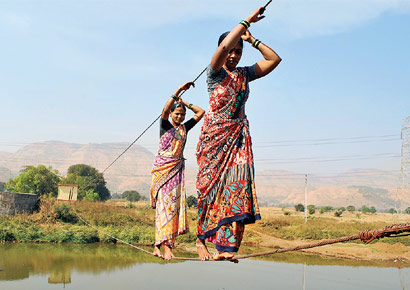
Imagine, After independence the condition of India : Waiting for a bridge across, foreverThe only way to and from Bendase village is by crossing a makeshift bridge, dangerously made of nothing but two metal wires, one above the other  (DNANews)


None of the 119 school children in Bendase village of Maharashtra’s Raigad district will participate in their school’s Republic Day celebrations. Their parents will not let them take the risk of crossing the Ulhas river on a wire to reach their school in Bhivpuri village. “When we tell our teachers that we are from Bendase, they understand and agree to keep us out of the parade or skits planned for the occasion,” says Rajesh Kadu, 11.
For parents in this village, Republic Day is little more than an occasion to give their children a break from the risk they take every day to go to school. After all, their only connection to the outside world is a wire bridge across the river (see picture).
During their first ever Republic Day celebration, in 1950, they had requested for a foot over-bridge across the river. But this simple demand of theirs has been festering for 62 years now. Fed up with the lack of any response from the state, in 1970, the villagers pooled money and created their own makeshift ‘bridge’ by stretching two metal wires, one above the other, securing them with nuts and bolts to metal pillars on either bank of the river. Crossing the river means holding on for dear life to the wire above, and balancing your feet on the wire below.
“The wires have snapped four times since; we have to replace them and carry on,” says Balu Pundalik Thorave, 42, the sarpanch of Bendase. “People have lost their balance and fallen into the river. Two years ago, a woman, Parvatibai Kadu, died after she fell into the river.”
The alternative to this dangerous river crossing is trudging 7km to Posari village and taking a bus from there. “When someone is sick, all we can do is put the patient in a bullock cart or a tractor and take them to Posari, since no other vehicle can ply on the rutty road to Bendase,” says Ramchandra Kadu, who lost his right foot after a fall from the wire bridge five years ago. Not just men, but women, the elderly and little children are forced to use this bridge to get to work, school or hospital.
The village has other problems due to lack of connectivity. The only school in the village is up to class IV. Many kids, mostly girls, drop out of school after that. The staff at the local primary health centre refuse to come to the village to deliver immunisation and other services.
Ramchandra is angry with the media. “Because the media ignores our problems, leaders like Raigad guardian minister, Sunil Tatkare, presiding over the construction of many dams in the neighbourhood, gets away with doing nothing. We’ve never seen our MLA Suresh Lad in this area. His staff just accept our written pleas and says they will forward them.”

Tuesday, January 10, 2012

लोहमहीला मायावती युगाची सुरुवात


लोहमहीला मायावती युगाची सुरुवात
1984 ला मान्यवर कांशीरामजीनी बहुजन समाज पक्षाची स्थापना केली. बहुजन समाजातीलच काही लोक पक्षाला भींतीवरची पार्टी असे संबोधित असत पुढे वाचा

Friday, December 2, 2011

Vidarbha State:Maharashtra


It’s by now a seasoned demand, the one for a separate Vidarbha state, to be carved out of eastern Maharashtra (comprising 11 districts bordering three states). The movement has peaked more than once over the years but has lacked in critical areas, like in the drama and histrionics of the Telangana movement or the ruthless official decision-making, as has been the case in Uttar Pradesh. That said, ‘Vidarbha’ renews its demand each time the small-states issue occupies the national agenda.
December 12 is the new date set for another boost to the concept. “This time we are serious about an all-out agitation,” says Nagpur-based ex-MP Jambuwantrao Dhote, who has led many agitations on the issue. He realises, though, that the campaign carries a peculiar complexity—the political party at the forefront of it, the BJP, is hemmed in by an alliance partner, Shiv Sena, that’s bitterly opposed to it. (The Sena claims a part of its lingua-political legacy from the Samyukta Maharashtra movement which led to the creation of Maharashtra in 1960.)“We cannot allow Maharashtra to be divided,” says Sena MP Bharat Raut. In addition, the BJP has now to contend with a Sena clone too—Raj Thackeray’s Maharashtra Navnirman Sena—that also draws its identity and support on the basis of Marathi asmita (identity). This was why the BJP-led NDA—which had created three small states during its reign at the Centre— had been unable to do so for Vidarbha. But this time around BJP state general secretary Vinod Tawde is adamant. “We are committed to statehood for Vidarbha... there are sound economic reasons for it,” he says. Colleague and Nagpur MLA Devendra Fadnavis has also convinced the party leadership (not that BJP president Nitin Gadkari who’s from Nagpur needed much convincing) of these. “Vidarbllocation from the Centre is skewed because in united Maharashtra, development and wealth in Mumha has good quality raw materials and soil, yet it remains backward in development,” says Fadnavis. “Budget abai-Pune evens out the extreme low GDP of eastern Maharashtra.”
The Congress is, so far, in the comfort zone; given the battle between the BJP and Sena, it can afford to stay out. It’s a relief for AICC general secretary Vilas Muttemwar, for he was once the region’s mascot for a separate Vidarbha, going as far as to write to PM Manmohan Singh in 2009 to press the demand. But since becoming general secretary, he’s been rather silent. “We are not surprised,” says Kishor Tiwari, a social activist who’s documenting the spate of cotton farmer suicides. “The Congress is responsible for our backwardness. There are Planning Commission reports, fact-finding committee reports, the CAG findings of ’07 and the Maharashtra government’s own papers which all say that there’s a severe backlog in funds allocated to Vidarbha. How will the region progress?”
The reports all point to the fact that western Maharashtra—represented by the politically powerful sugar lobby and Maratha politicians—has cornered the major allocations at the expense of other regions, including Vidarbha. The backlog was in the region of Rs 15,000 crore five years ago, despite the existence of statutory development boards under Article 371 (2) of the Constitution to set right the balance. Now, regional leaders and businessmen are convinced that only a separate state can fulfil their aspirations. Vidarbha, they point out, has everything going for it: it’s not drought-prone like Marathwada, has been power surplus in the last two decades, houses two-thirds of the state’s mineral resources and three-fourths of forest resources. It’s a powerful argument that has rallied non-political outfits like Vidarbha Rajya Nirman Samiti, economic/trade associations, and student organisations to join the agitation.


It’s by now a seasoned demand, the one for a separate Vidarbha state, to be carved out of eastern Maharashtra (comprising 11 districts bordering three states). The movement has peaked more than once over the years but has lacked in critical areas, like in the drama and histrionics of the Telangana movement or the ruthless official decision-making, as has been the case in Uttar Pradesh. That said, ‘Vidarbha’ renews its demand each time the small-states issue occupies the national agenda.
December 12 is the new date set for another boost to the concept. “This time we are serious about an all-out agitation,” says Nagpur-based ex-MP Jambuwantrao Dhote, who has led many agitations on the issue. He realises, though, that the campaign carries a peculiar complexity—the political party at the forefront of it, the BJP, is hemmed in by an alliance partner, Shiv Sena, that’s bitterly opposed to it. (The Sena claims a part of its lingua-political legacy from the Samyukta Maharashtra movement which led to the creation of Maharashtra in 1960.)
“We cannot allow Maharashtra to be divided,” says Sena MP Bharat Raut. In addition, the BJP has now to contend with a Sena clone too—Raj Thackeray’s Maharashtra Navnirman Sena—that also draws its identity and support on the basis of Marathi asmita (identity). This was why the BJP-led NDA—which had created three small states during its reign at the Centre— had been unable to do so for Vidarbha. But this time around BJP state general secretary Vinod Tawde is adamant. “We are committed to statehood for Vidarbha... there are sound economic reasons for it,” he says. Colleague and Nagpur MLA Devendra Fadnavis has also convinced the party leadership (not that BJP president Nitin Gadkari who’s from Nagpur needed much convincing) of these. “Vidarbha has good quality raw materials and soil, yet it remains backward in development,” says Fadnavis. “Budget allocation from the Centre is skewed because in united Maharashtra, development and wealth in Mumbai-Pune evens out the extreme low GDP of eastern Maharashtra.”
The Congress is, so far, in the comfort zone; given the battle between the BJP and Sena, it can afford to stay out. It’s a relief for AICC general secretary Vilas Muttemwar, for he was once the region’s mascot for a separate Vidarbha, going as far as to write to PM Manmohan Singh in 2009 to press the demand. But since becoming general secretary, he’s been rather silent. “We are not surprised,” says Kishor Tiwari, a social activist who’s documenting the spate of cotton farmer suicides. “The Congress is responsible for our backwardness. There are Planning Commission reports, fact-finding committee reports, the CAG findings of ’07 and the Maharashtra government’s own papers which all say that there’s a severe backlog in funds allocated to Vidarbha. How will the region progress?”
The reports all point to the fact that western Maharashtra—represented by the politically powerful sugar lobby and Maratha politicians—has cornered the major allocations at the expense of other regions, including Vidarbha. The backlog was in the region of Rs 15,000 crore five years ago, despite the existence of statutory development boards under Article 371 (2) of the Constitution to set right the balance. Now, regional leaders and businessmen are convinced that only a separate state can fulfil their aspirations. Vidarbha, they point out, has everything going for it: it’s not drought-prone like Marathwada, has been power surplus in the last two decades, houses two-thirds of the state’s mineral resources and three-fourths of forest resources. It’s a powerful argument that has rallied non-political outfits like Vidarbha Rajya Nirman Samiti, economic/trade associations, and student organisations to join the agitation.

India Dalit boy 'killed over high-caste man's name

A low-caste Dalit boy has been killed in the northern Indian state of Uttar Pradesh for sharing a name with a man of a higher caste, police say

They said Neeraj Kumar's father Ram Sumer had been asked to change the names of two sons as they were the same as those of Jawahar Chaudhary's sons.
The body of Neeraj, 14, was found on 23 November in a field. Two friends of the Chaudhary family have been arrested.
Mr Chaudhary denies the involvement of his family in the murder.
He says the family is being framed by police.
Dalits, formerly known as "untouchables", are at the bottom of the Hindu caste system in India.
Although caste discrimination is illegal, biases remain in many areas.
Strangled
The latest incident took place in Radhaupur village in Basti district.
Both Ram Sumer and Jawahar Chaudhary have sons named Neeraj and Dheeraj and that has long been an issue between the two families, Sub-inspector Praveen Kumar said.
Mr Chaudhary, who belongs to a higher caste, had given several warnings to Mr Sumer to change the names of his boys.
On 22 November, Neeraj left home after dinner to watch television at a friend's house. His body was found the next day.
Police said he was strangled.
Mr Chaudhary's sons - Neeraj and Dheeraj - are missing, but police have arrested two friends of the family who they say had a role in the murder.